
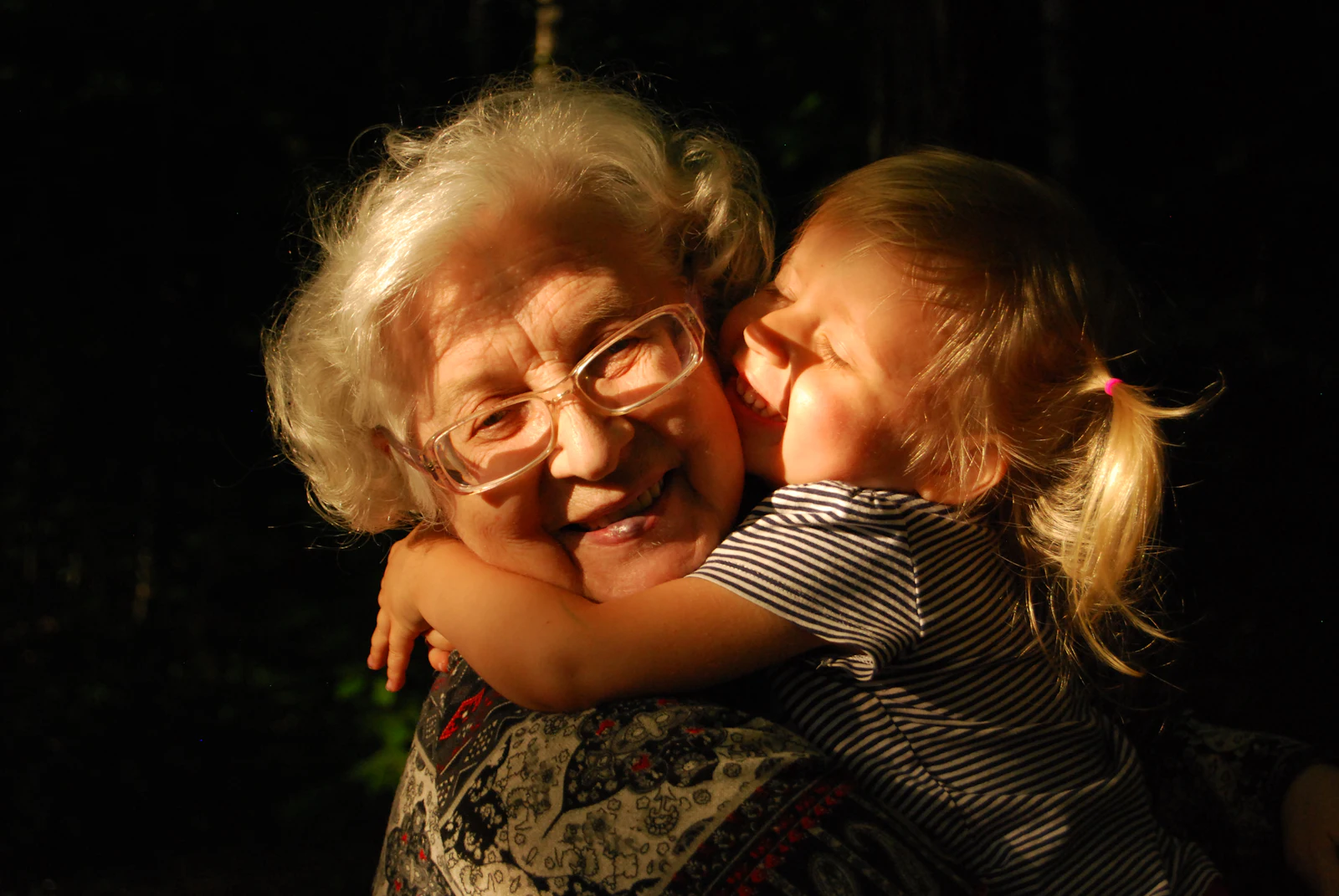
Who we help
Support for different stages of recovery
Therapy at home can help people with mobility limits, recovery needs, or challenges with daily activities and communication.
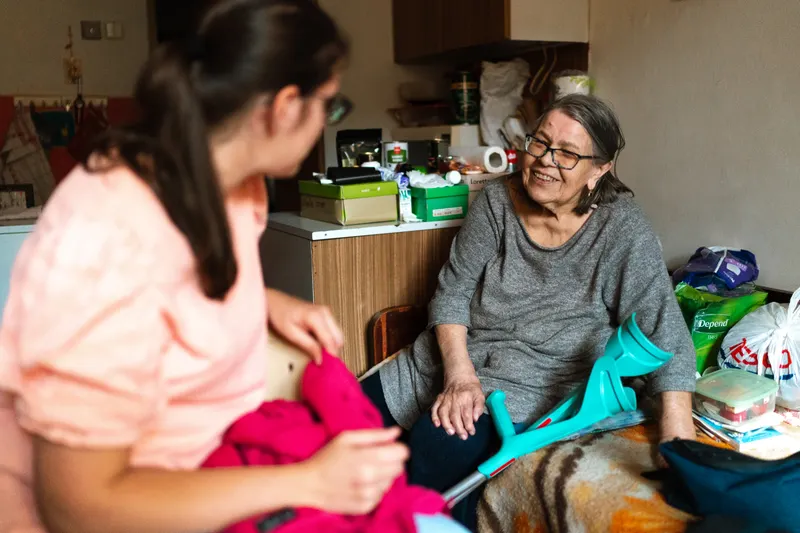
At home, together
Care that includes the people around you
Recovery rarely happens alone. With your consent, family members and caregivers can join visits, ask questions and learn how to help safely between sessions.
Whether you are getting back on your feet after surgery, living with a neurologic condition or simply want to stay safe and independent at home, therapy is planned around your goals.
Care pathways
Ways we can support you
Each pathway links to the therapies most often involved. Your clinician recommends what fits after an assessment.
Older adults
Balance, getting around safely and keeping up everyday routines.
Related therapyPhysical TherapyOccupational Therapy
After surgery
Goal-focused rehabilitation after procedures such as joint replacement.
Related therapyPhysical TherapyOccupational Therapy
After a hospital stay
Support with the move back to daily activities and home routines.
Related therapyPhysical TherapyOccupational TherapySpeech-Language Pathology
Neurologic conditions
Practical strategies after a stroke or with other neurologic needs.
Related therapyPhysical TherapyOccupational TherapySpeech-Language Pathology
Communication challenges
Individualized support for speech, language and thinking skills.
Related therapySpeech-Language Pathology
Family caregivers
Education and practical strategies to support safe routines at home.
Related therapyPhysical TherapyOccupational TherapySpeech-Language Pathology
Why in-home therapy
Why choose therapy at home?
Home-based rehabilitation isn’t right for everyone, and your therapist will say if another setting would suit you better. For many people, it offers real advantages.
- Convenience and less travelNo driving, parking or waiting rooms when getting out is hard. Therapy comes to your door.
- Individualized rehabilitationYour plan starts with your goals and is adjusted as you progress, not a one-size routine.
- A familiar environmentWorking in your own surroundings can feel calmer and makes practice between visits easier.
- Functional independencePractice the exact tasks you want to do yourself, like the stairs, the shower or the kitchen.
- Family and caregiver participationWith your consent, the people who help you can join sessions and learn how to support you.
- Focused on everyday lifeProgress is measured in the activities that matter to you, not just in exercises.
Not sure where to start?
You don’t need to know which therapy you need. Tell us what is happening and we will talk through the options, including whether care at home suits your situation.