
Exercise and mobility
Stay Active at Home: Strength and balance exercises for older adults
Six simple strength and balance exercises that physiotherapists use with older adults.
By The Chartered Society of Physiotherapy (opens in a new tab)3:55
Personalized in-home therapy in southern LA County and north Orange County
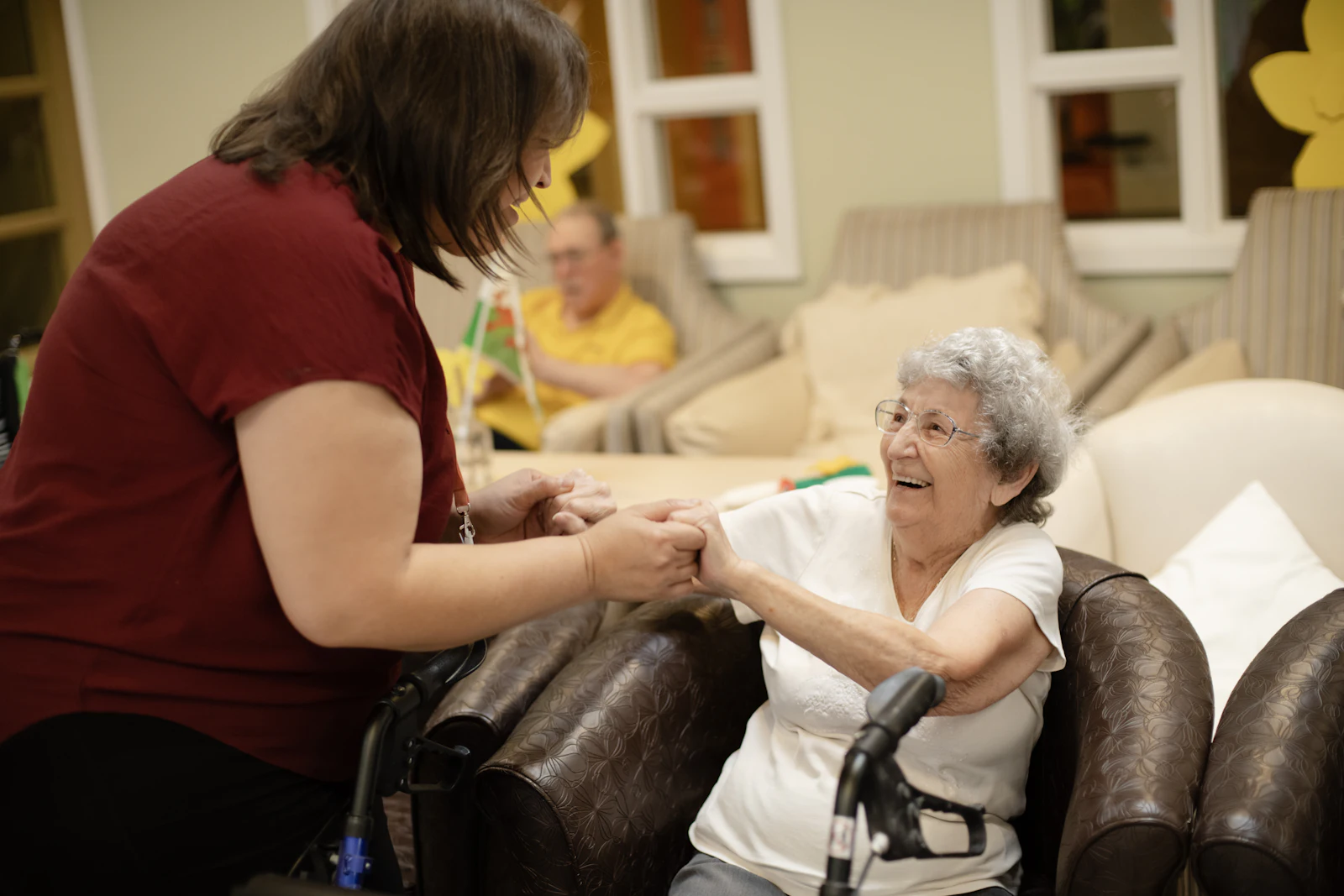
In-home therapy
One-on-one physical therapy focused on strength, mobility, balance and recovery, practiced in the rooms and on the stairs you use every day.
Watch first
Free patient education from a recognized health organization.
Exercise and mobility
Six simple strength and balance exercises that physiotherapists use with older adults.
By The Chartered Society of Physiotherapy (opens in a new tab)3:55
About this service
Physical therapy helps people move, walk and get around more safely and comfortably. A licensed physical therapist looks at strength, balance, flexibility, endurance and the way you move, then works with you on the activities that matter in your day.
At home, that work happens where it counts: on your own stairs, between your bed and bathroom, on the path to the front door. Practicing in the real setting can make it easier to see what is hard, adjust the plan and keep going between visits.
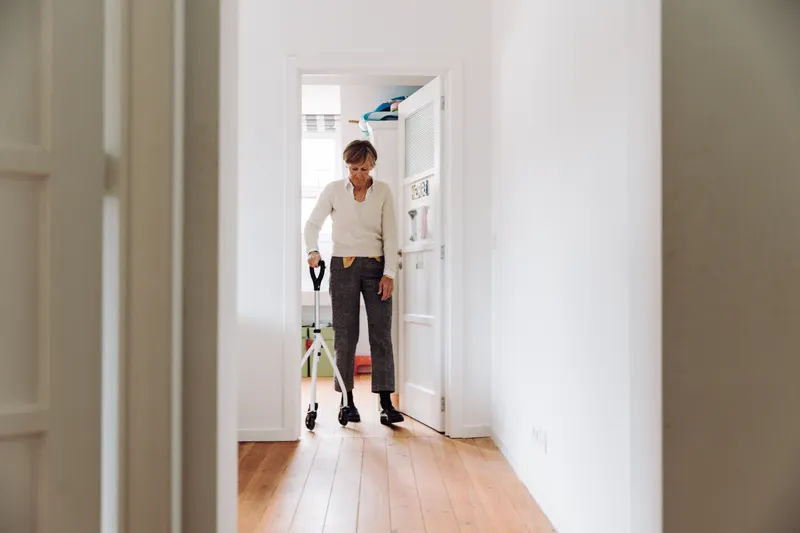
Who it is for
Whether therapy is right for you depends on an individual assessment.
Common conditions and concerns
Physical therapy at home is about more than exercises. It means practicing the movements that matter to you, in the place where you need them.
Support with joint, muscle and bone problems that limit movement, such as arthritis or a healing fracture.
Rehabilitation that follows your surgeon’s instructions after procedures such as hip or knee replacement.
Assessing what affects your balance and practicing ways to stay steady, alongside a look at home hazards.
Working on walking, turning, stairs and curbs, and on the safe use of a cane, walker or other device.
Building the strength and stamina needed for everyday tasks, at a level that suits your health.
Movement-focused therapy for people living with conditions that affect the brain, spinal cord or nerves.
Safer ways to get in and out of bed, chairs, the car, the shower or the toilet, with or without help.
Putting it together: moving through your own home and routines with as much independence as is safe.
Care starts with an in-home assessment, which may involve:
Visits usually combine guided exercise, practice of real tasks and education. Your therapist checks how you are doing each time and adjusts the plan as you progress.
Between visits, you may be given a short home program. How often visits happen, and for how long, depends on your assessment, goals and circumstances.
Potential benefits
Every person is different. Your clinician will talk through realistic goals with you after the assessment.
Goals are set with you and written in everyday terms. For example:
With your consent, a family member or caregiver can join visits, learn how to help safely with walking or transfers, and understand which activities to encourage and which to avoid.
Questions
Home visits focus on the movements and spaces you use every day. Your therapist can bring portable equipment, and will tell you if they think a clinic or other setting would serve you better.
Not necessarily for private home visits. Some insurance programs, including Medicare home health, have their own rules. We will go over what applies to you when you get in touch.
Comfortable clothes you can move in and supportive shoes you normally wear at home. Have any walking aids or braces nearby.
Some exercises can feel like effort, and some soreness can happen. Your therapist will ask how you feel and adjust. Tell them about any pain that worries you.