
Personalized in-home therapy in southern LA County and north Orange County

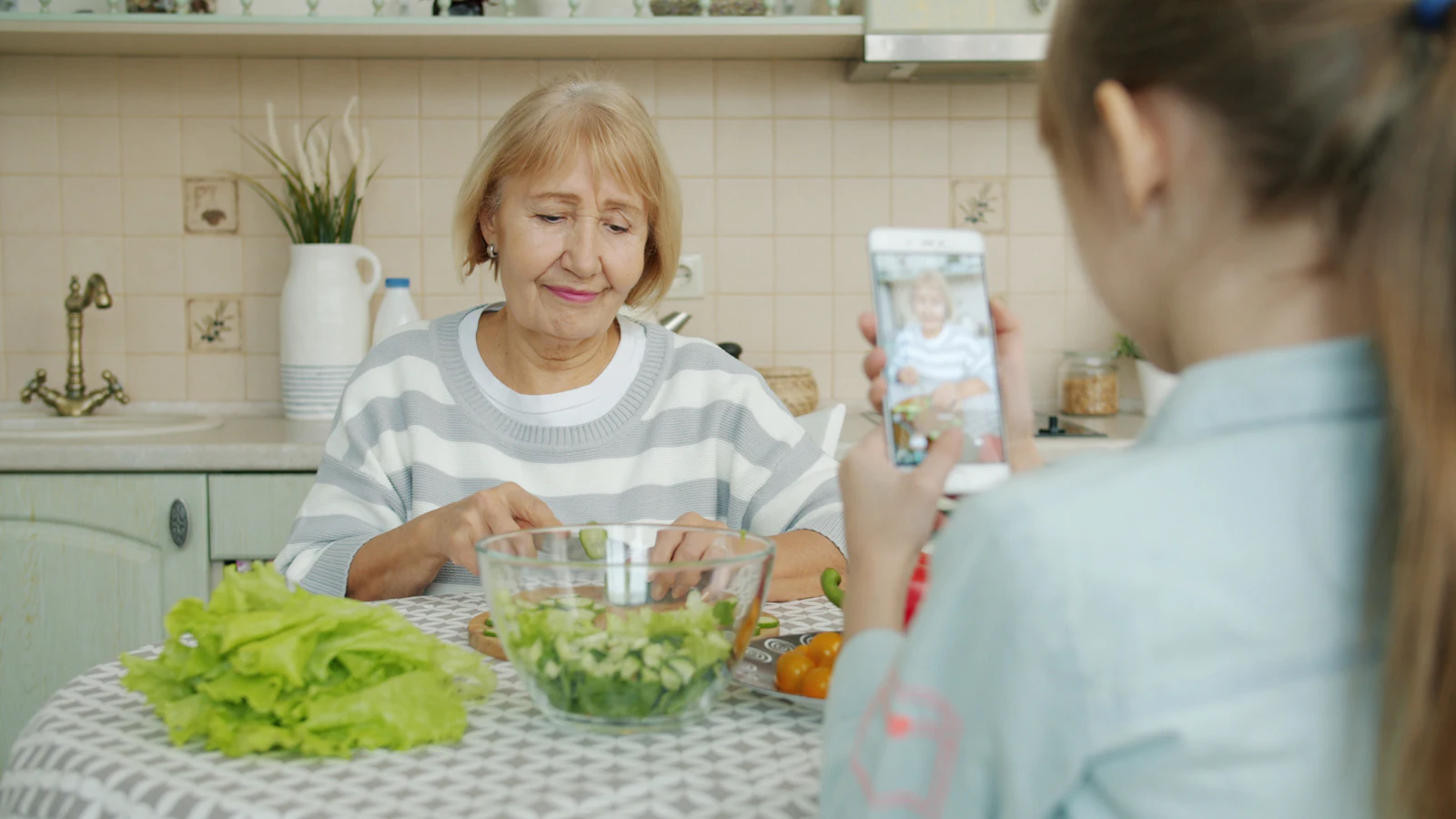
An older woman preparing a salad at her kitchen table with her granddaughter

In-home therapy

Occupational Therapy at Home

Practical, personalized support to help you take part in daily activities more safely and independently, using your own home and routines.

Watch first

A helpful video to start with

Free patient education from a recognized health organization.

General education only. These videos come from independent health organizations. They are not made by, affiliated with or endorsing Care & Protect Mobile Therapy, and they don’t replace a personal assessment. Check with your own clinician before trying new exercises or techniques.

More education videos

About this service

What is occupational therapy?

Occupational therapy helps people do the everyday activities that matter to them, from getting dressed and bathing to cooking, managing medications and taking part in hobbies. “Occupation” here means the things that occupy your day.

An occupational therapist looks at the person, the task and the environment together. At home, that means working on real routines in your own bathroom, kitchen and bedroom, and finding practical changes that make them safer and easier.

Availability varies by neighborhood. Call us and we will tell you whether occupational therapy is available at your address.
An older man cooking a meal in his kitchen alongside a family member

Who it is for

Who may benefit

Whether therapy is right for you depends on an individual assessment.

  • Older adults who are finding daily tasks harder or more tiring
  • People recovering from surgery, a fall or a hospital stay
  • People living with a stroke, Parkinson’s disease, arthritis or another condition that affects daily activities
  • People with memory or thinking changes who want strategies to stay organized
  • Families who want to make a home safer for someone they care for

Common conditions and concerns

What we can help with

Occupational therapy connects clinical support to real tasks, real routines and the home you actually live in.

  • Activities of daily living

    Dressing, bathing, grooming, toileting and eating, practiced in your own space.

  • Dressing and bathing

    Techniques and tools that can make getting ready and washing safer, easier or less tiring.

  • Home safety

    Looking at hazards and fall risks room by room, and suggesting practical changes.

  • Adaptive equipment

    Recommending and teaching the use of items such as shower chairs, grab bars, reachers or adapted utensils.

  • Energy conservation

    Planning, pacing and positioning so you can do more of what matters with less fatigue.

  • Upper-extremity function

    Work on arm and hand strength, coordination and use for everyday tasks.

  • Cognitive strategies

    Routines, reminders and organizing tools to support memory, attention and planning.

  • Functional independence

    Building toward the roles and routines you want to keep, at home and beyond.

Assessment and treatment approach

Care starts with an in-home assessment, which may involve:

  1. A conversation about your daily routine, what has become difficult and what you most want to do
  2. Watching how you manage selected tasks, such as getting dressed or moving around the kitchen
  3. Checks of arm and hand use, balance during tasks, and thinking skills where relevant
  4. A walk-through of the bathroom, bedroom, kitchen and entry for safety and access
  5. Agreeing on goals, and on any equipment or home changes worth considering

Treatment at home

Visits usually focus on practicing real tasks with new techniques or equipment, trying changes in the home, and education for you and your family.

Your therapist adjusts the plan as you progress. Visit frequency and length depend on your assessment, goals and circumstances.

Potential benefits

How occupational therapy at home may help

Every person is different. Your clinician will talk through realistic goals with you after the assessment.

  • Daily routines that feel manageablePractical techniques and tools can make tasks such as dressing, bathing and cooking safer or less tiring.
  • A safer home, room by roomChanges are suggested for your own bathroom, kitchen and entryway, including options for renters.
  • Confidence with equipmentYou learn to use any recommended equipment in the place you will actually use it.
  • Shared strategies for familiesWith consent, the people who help you learn how to support you without doing too much.

What to expect

Goals are set with you and written in everyday terms. For example:

  • Shower safely with the right seat and grab bar
  • Get dressed independently in the morning
  • Prepare a simple meal without feeling exhausted
  • Use a pill organizer or reminder system with confidence
  • Reach everyday items without climbing or over-stretching

Family and caregivers

With your consent, family members and caregivers can learn how to help without doing too much, how to set up the home, and how to use any equipment safely.

What happens at the first visit

Questions

Questions about occupational therapy at home

How is occupational therapy different from physical therapy?

Physical therapy focuses mainly on movement, such as walking, balance and strength. Occupational therapy focuses on doing daily activities and adapting tasks and spaces. Many people benefit from both.

Will I need to buy equipment?

Not always. Your therapist may suggest items that could help, explain why, and talk through options. You decide what is right for you.

Can you help if I rent my home?

Yes. Many helpful changes, such as rearranging items, lighting and removable equipment, don’t require permanent alterations. Your therapist can suggest options that suit a rental.

Can occupational therapy help with memory problems?

Occupational therapists can suggest routines and tools that support memory and organization in daily life. Diagnosis of memory conditions is done by a physician.

See all frequently asked questions

Request an AppointmentCall

Choose which optional features can use cookies. You can change this at any time from the footer.

Cookie categories

Remembers these choices. The website can’t work properly without it.

Lets YouTube education videos and the Google Maps service area map load on our pages. YouTube and Google may set cookies and receive your IP address when they load.